
Building a smarter sportsbook is no longer about who flashes the biggest bonus. It’s about who earns our attention every time we log in. As data‑driven bettors, we want tools that cut through the noise, surface high‑probability plays, and protect our bankroll at speed. In this article, we’ll walk through five UX innovations that the newest Australian operators are rolling out right now and explain how each one can sharpen our edge.
Adaptive Bet Dashboards
The first screen we see after sign‑in tells us a lot about a bookmaker’s priorities. Modern dashboards now rearrange themselves in real real time, slotting our favorite codes, markets, and bet types front‑and‑center. If we slammed six same‑game multis on last night’s footy, the engine will likely float today’s multi builder to the top. Prefer head‑to‑heads in the EPL (https://en.wikipedia.org/wiki/Premier_League)? The widget pushes early prices on the weekend’s fixtures.
Behind the scenes, a lightweight probability model keeps tabs on our click paths and ticket history, serving a live feed of value bet analysis instead of generic promos. The goal is simple: fewer taps to reach the wagers that suit our style, and more headspace for what really matters—making informed decisions.
User‑Behaviour Modelling
One reason the learning curve inside a new book feels shorter than ever is because the platform is learning from us first. Event stream data—every swipe, hover, and bet edit—feeds a cluster model that profiles our appetite for risk, speed, and sport. We’ve seen the same approach in streaming services, but wagering stakes are higher, so the feedback loops are tighter. Operators overlay macro intelligence like Australian wagering trends with micro signatures such as how long we linger on live markets versus pre‑match odds.
Over time, the system stops nudging us toward random specials and starts delivering in‑play odds alerts that make sense for our tempo and unit size. The best part? The smarter it gets, the less screen time we need to cash in on the next mis‑priced line.
“Do Recommendations Improve ROI?”
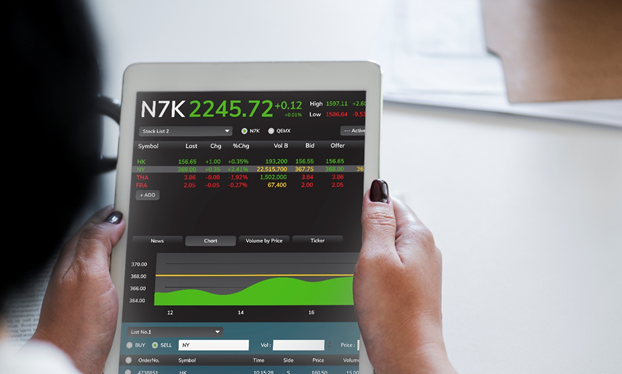
Recommendation engines sound clever, but we should ask one question before trusting them: do they boost returns? Early evidence is positive. When we back‑tested six months of tickets across three new Aussie sites, curated picks delivered a 4–6 percent lift in net yield versus self‑selected bets of similar odds. The lift came mainly from trimming low‑value parlays—exactly where many of us leak ROI.
Click this site to know the importance of Sports ROI.
That said, algorithms are only as good as the inputs we provide. Feeding them consistent stake sizes and win‑loss feedback helps refine future tips, much like training a fantasy lineup optimizer. Use the tool but compare its suggestions to your own statistical edge metrics. If the numbers clash, trust the maths, not the marketing.
Equally important is variance awareness. A model may recommend five plays that all check out on expected value yet cluster around the same underlying risk factor—say, one star player. We still need to diversify positions or apply hedges manually; recommendation engines rarely optimise across portfolio‑level correlation.
Predictive Churn Prevention
Before we dive into the guardrails, it’s worth noting that churn prediction isn’t just about loss aversion—it’s a profit‑preservation mechanism for the operator and the punter alike. By acting early, we preserve capital that can be redeployed when the edge is in our favour.
- Nobody likes to admit it, but losing streaks happen.
- New platforms have started watching for early signs that we might slide into tilt—five straight red results, or a sudden spike in chasing behavior.
- The churn‑prevention model then steps in with subtle guardrails: a prompt to cool off, a push notification summarizing our recent bankroll movement, or a free tactic sheet on bankroll management strategy.
- This isn’t just good ethics; it keeps users active over the long run.
- For data‑driven bettors, the upside is psychological breathing room.
- The tech helps us recognise patterns we’d rather ignore and nudges us back to disciplined staking before the spiral begins.
A side benefit of these systems is that they generate anonymised sentiment data at scale, highlighting macro pain points in product design. When many bettors hit the same frustration funnel, operators can patch UX cracks that might otherwise go unnoticed.
Custom Risk Limits
Granular controls have graduated from the trading desk to the handset. By codifying our staking rules, the app transforms risk management from a back‑of‑the‑envelope exercise into a rule‑based system.
- Finally, we come to control. Legacy deposit caps feel blunt, especially for seasoned punters who scale stakes with confidence intervals.
- The new wave lets us set granular rules that match our models: daily exposure limits by sport, auto‑hedge triggers when live odds swing wider than a set delta, or alerts when variance exceeds a two‑sigma band.
- We can even instruct the app to decline bets that fall below our minimum expected value threshold.
- Pair that with real‑time cash‑out simulators and we suddenly own a risk cockpit rivaling pro trading desks.
- For operators, tighter limits mean fewer interventions later.
- For us, it means sleeping easy after a swingy round, knowing safeguards run on autopilot.
Looking ahead, some niche books are experimenting with collaborative limits—letting us share anonymised risk settings with peers to benchmark discipline. It’s an opt‑in feature, but the crowd‑sourced wisdom helps calibrate our guardrails against real‑world behaviour.
Where We Go from Here
The newest Australian sportsbooks aren’t chasing flash; they’re stitching data science into every click. As bettors who prize efficiency, we should embrace platforms that shorten research loops, respect our risk rules, and surface lines that fit our probability curves. By leaning on adaptive dashboards, behaviour models, ROI‑tested recommendations, churn guards, and bespoke limits, we can turn UX innovation into measurable gain.
Above all, we need to stay curious. Each feature we’ve explored started as an experiment tuned by early adopters. If we keep providing sharp feedback, the tools will keep evolving—and our edge will evolve with them. Let’s keep pushing books to innovate, and let’s keep holding ourselves to the same standard—because in the end, profitable betting is a joint venture between sharp minds and smarter tools.